Why You Can't Take Sand, Stones, or Shells Home from Sardinia
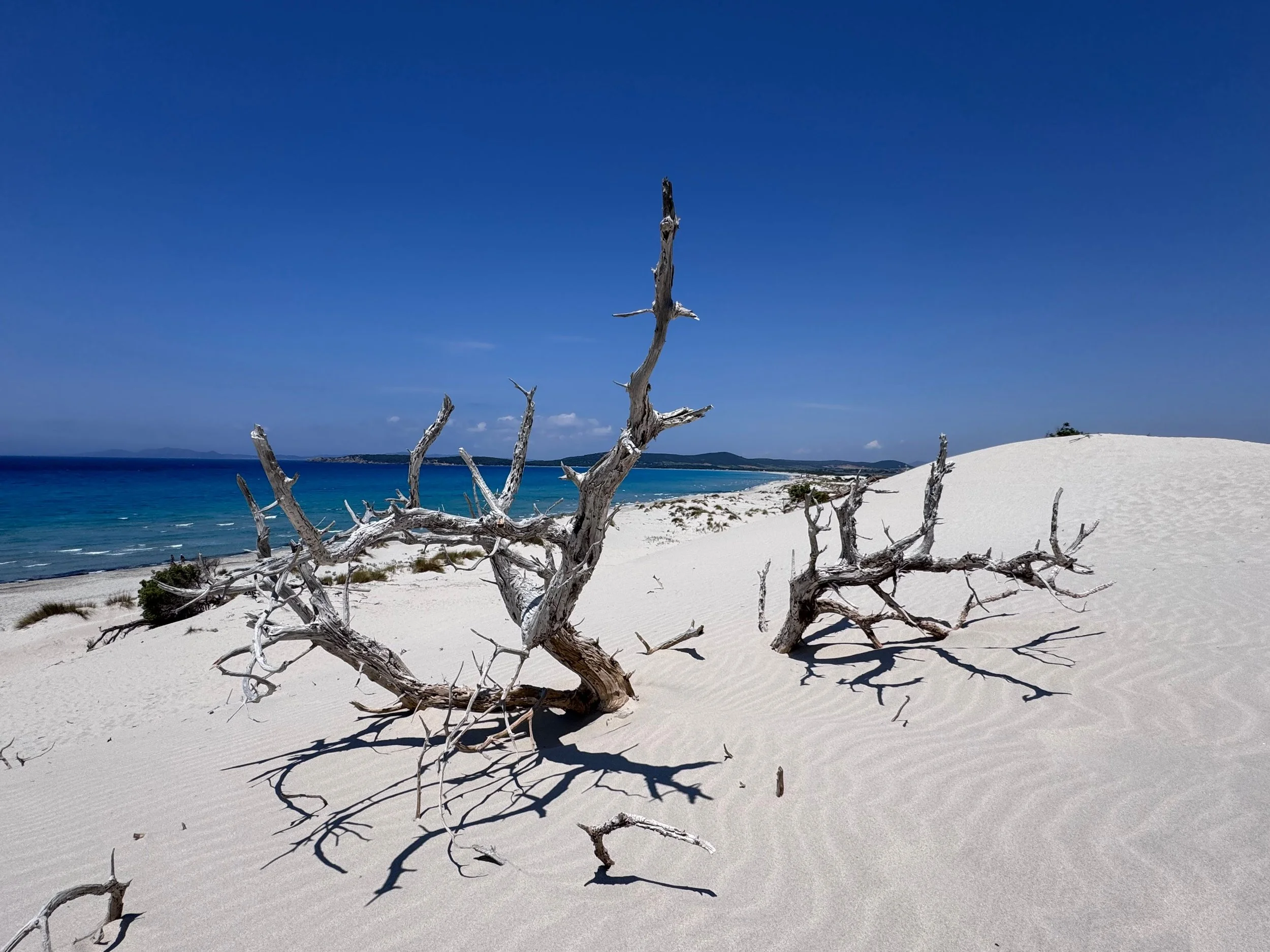
A handful of white sand as a souvenir, a few pretty pebbles from that one hidden cove, a little shell for the windowsill—it seems harmless, and many visitors do it without giving it a second thought.
But in Sardinia, this has been banned since 2017, and the consequences can be significant. Here's what you need to know before you pack your suitcase.
Why This Ban Exists
The ban was implemented at the time at the initiative of the island’s residents themselves, after tourists began taking “souvenirs” from the beaches with increasing frequency—not just sand, but also shells and stones.
What began as occasional vacation souvenirs grew into a larger-scale problem. Sand was even sold online, sometimes for tens of euros per gram to collectors.
The underlying concern is environmental. Grains of sand do not replenish themselves naturally, and the gradual disappearance of sand can eventually cause the beaches themselves to shrink—with consequences for the entire coastal ecosystem. What may seem harmless to a single tourist becomes a real problem when multiplied by thousands of visitors each year.
What Exactly Is Prohibited
It is prohibited to take sand, shells, stones, and other natural materials from Sardinian beaches, regardless of the amount. This applies to the entire island, not just protected natural areas—so even that single handful of sand from a popular beach is included in this prohibition.
The fines are not merely symbolic
This is not just a ban on paper. Fines range from €500 to €3,000, depending on the quantity and the circumstances. In cases involving larger quantities, with evidence of organized smuggling, the penalty can even result in a prison sentence of one to six years.
This isn't just some distant problem, and it's not just an issue for other nationalities either.
Just a few days ago, on August 12, 2026, a Dutch tourist was caught red-handed at the Cagliari airport. He had eight protected stones in his checked luggage, which he had taken after an excursion to Pan di Zucchero—the famous rock formation off the coast of Masua, which we also discussed in our blog about Buggerru and Porto Flavia. Italian border police discovered the stones before he could board his flight to Schiphol.
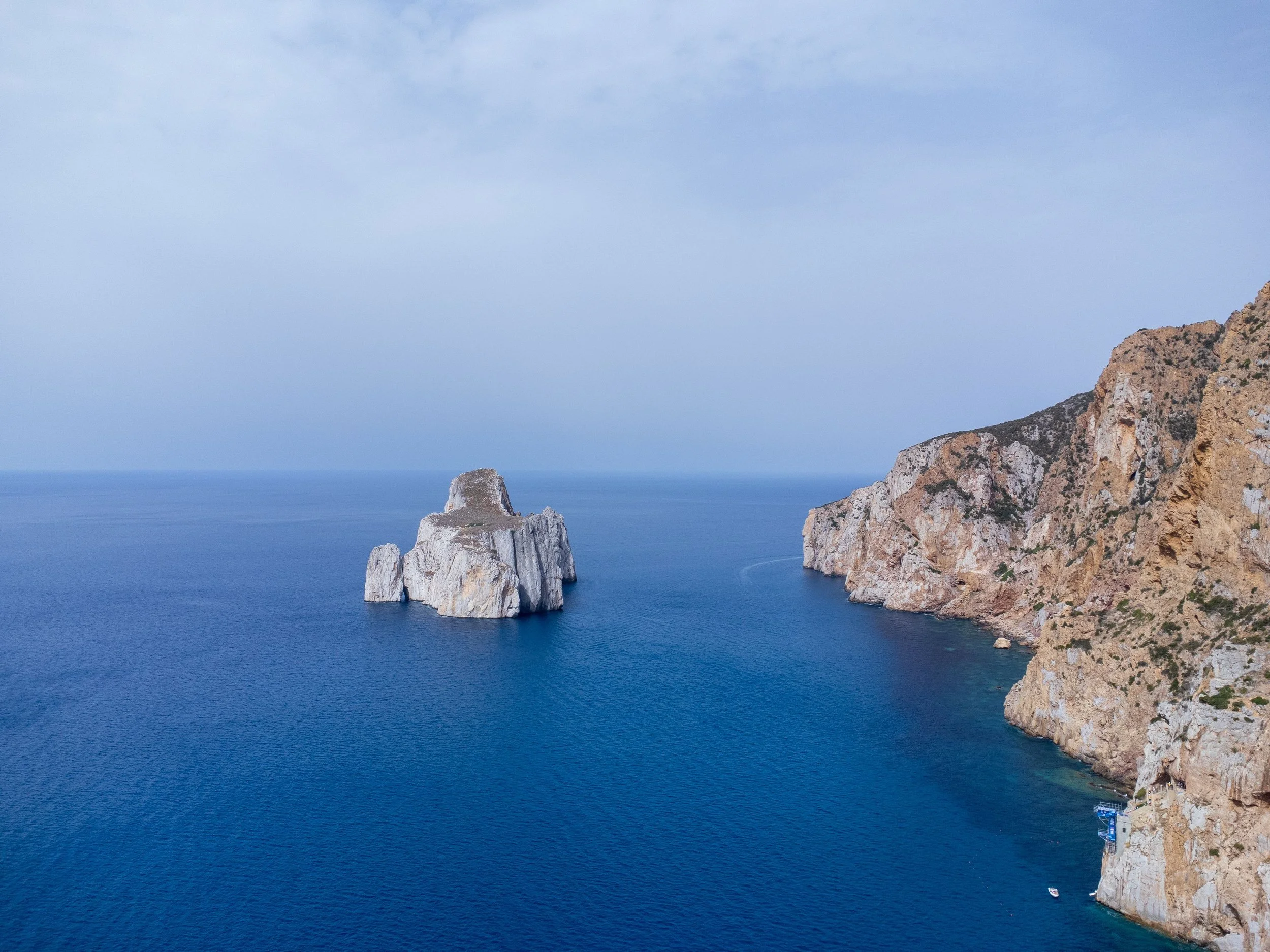
Pan di Zucchero
Just this summer, a 69-year-old French tourist was also detained in Porto Torres as she was about to board the ferry to Toulon—about 40 kilograms of sand, shells, and white pebbles were found in her car, hidden under the seats, originating from Le Saline Beach near Stintino. She now faces a fine of up to €3,000.
She is certainly no exception. In recent years, the authorities have returned thousands of kilograms of confiscated sand and rocks to the coast.
How the checks work
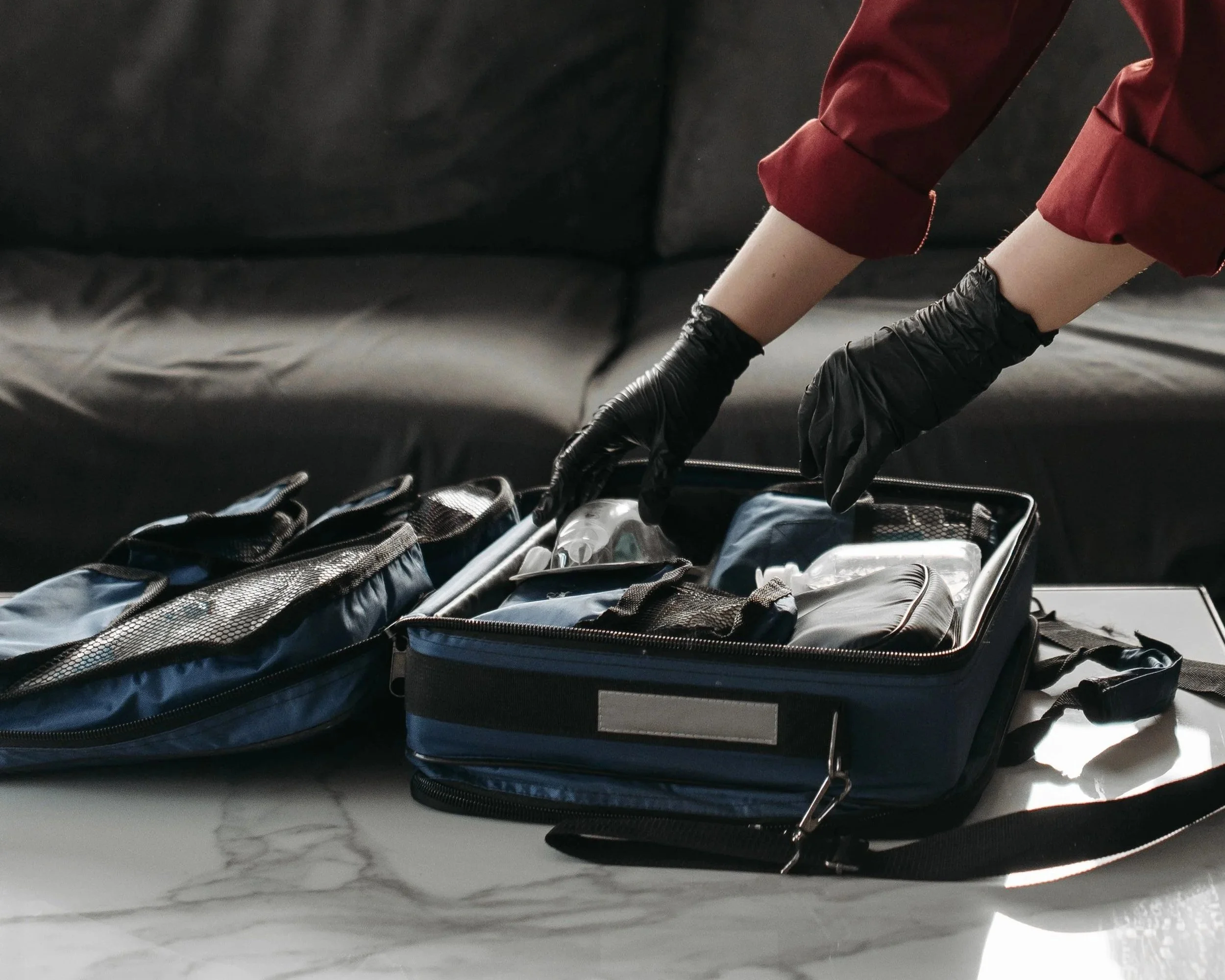
Checks are primarily conducted at departure points: ferry terminals and airports. Luggage is inspected, and suspicious items found in bags, suitcases, or even under car seats are thoroughly examined.
Don't think that a small bottle of sand in your carry-on luggage will go unnoticed—security checks have been specifically focused on this for years.
What You Can Do to Create a Keepsake
Fortunately, you don't have to go home empty-handed. Sardinia has plenty of legal, beautiful alternatives:
Local artisanal products —such as Sardinian pottery, woven baskets, or jewelry inspired by traditional motifs
Food and drink — pecorino cheese, Cannonau wine, and pane carasau are typical Sardinian foods and pose no legal risk whatsoever
Photos —perhaps the most obvious, but also the least risky keepsake of all
My insider tip
If you really want something tangible from the beach itself, take a photo of your feet in the sand or of the waves. That will bring back the memory just as well as a physical bag of sand, without the risk of a fine that could wipe out your vacation budget in one fell swoop.
Are you unsure about what is and isn't allowed during your trip to Sardinia? I'd be happy to help you with practical tips and advice so you can enjoy the island without any worries.