2026: The Year Sardinia Lets Go of Its High Season
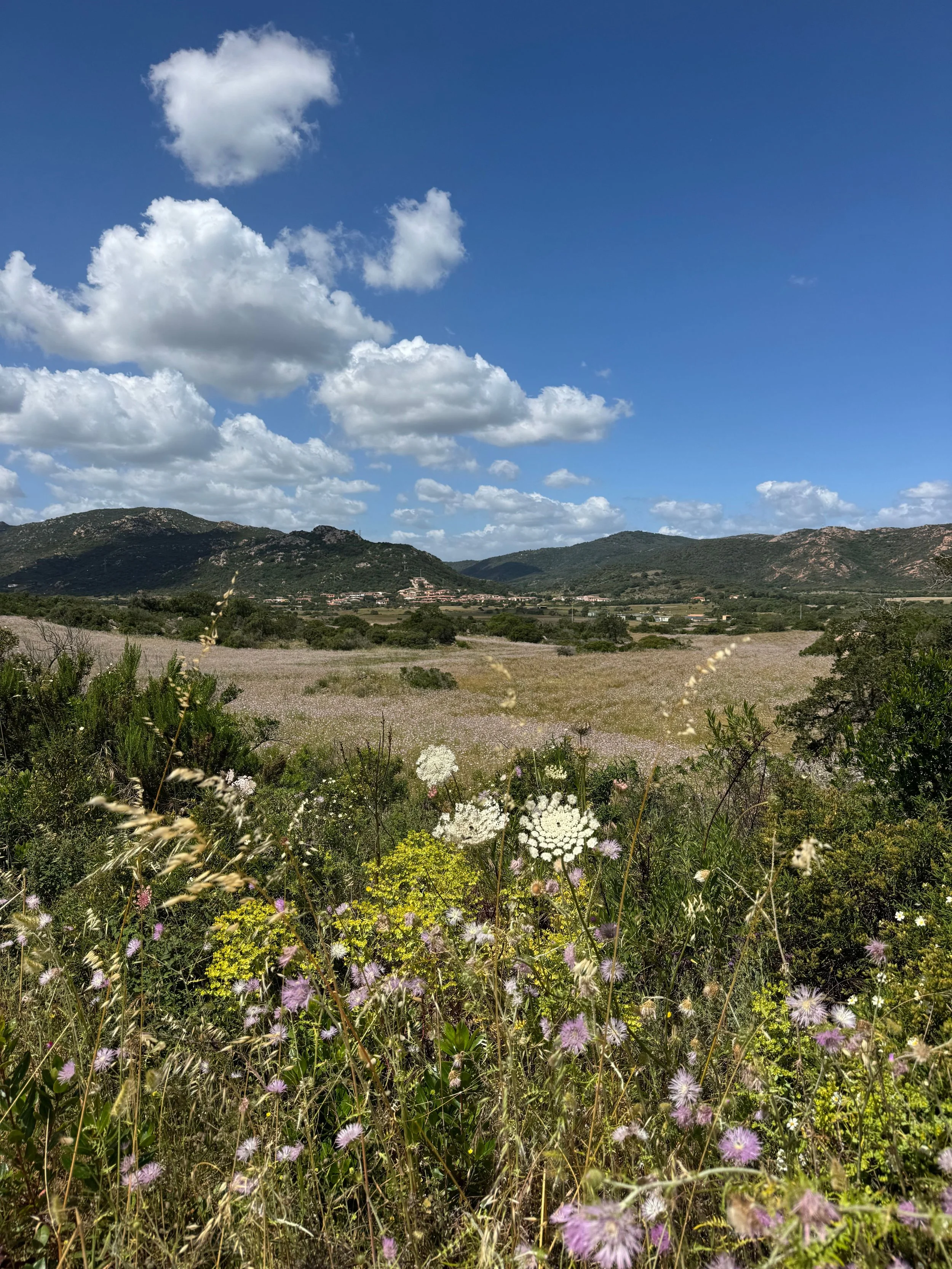
For years, Sardinia has been synonymous with July and August: crowded beaches, high prices, and an island that falls silent again after mid-September.
But that balance is starting to shift noticeably. In 2026, the region will make a serious push for a longer tourist season—and that’s exactly what makes my heart beat faster as an “off-season insider.”
Since I’ve been living in Sardinia, I’ve noticed how different the island feels outside of July and August. In the spring, the beaches are still quiet, nature is at its most beautiful, and in many villages, you get the feeling that you’re really getting to know the island. That’s also why I’m increasingly advising travelers to visit outside of the high season.
From peak season to a year-round destination
The numbers tell a clear story. Sardinia broke its tourism record in 2025 with over 22 million overnight stays, and the growth continues: search interest in Sardinia as a destination rose by 63% this year, making the island one of the fastest-growing European destinations.
What stands out in these figures is not only the scale of the growth, but above all its nature: less purely beach tourism in July and August, more interest in the shoulder seasons, and a shift from crowded coastal areas to inland villages, nature trails, and local products.
In short: the island is transforming from a summer postcard into a destination that has something to offer all year round.
I’ve noticed this in conversations with local business owners as well. Whereas some restaurants or lodging establishments used to close right after the summer, more and more business owners are choosing to stay open longer. That makes traveling in the spring or fall more appealing than it was a few years ago.
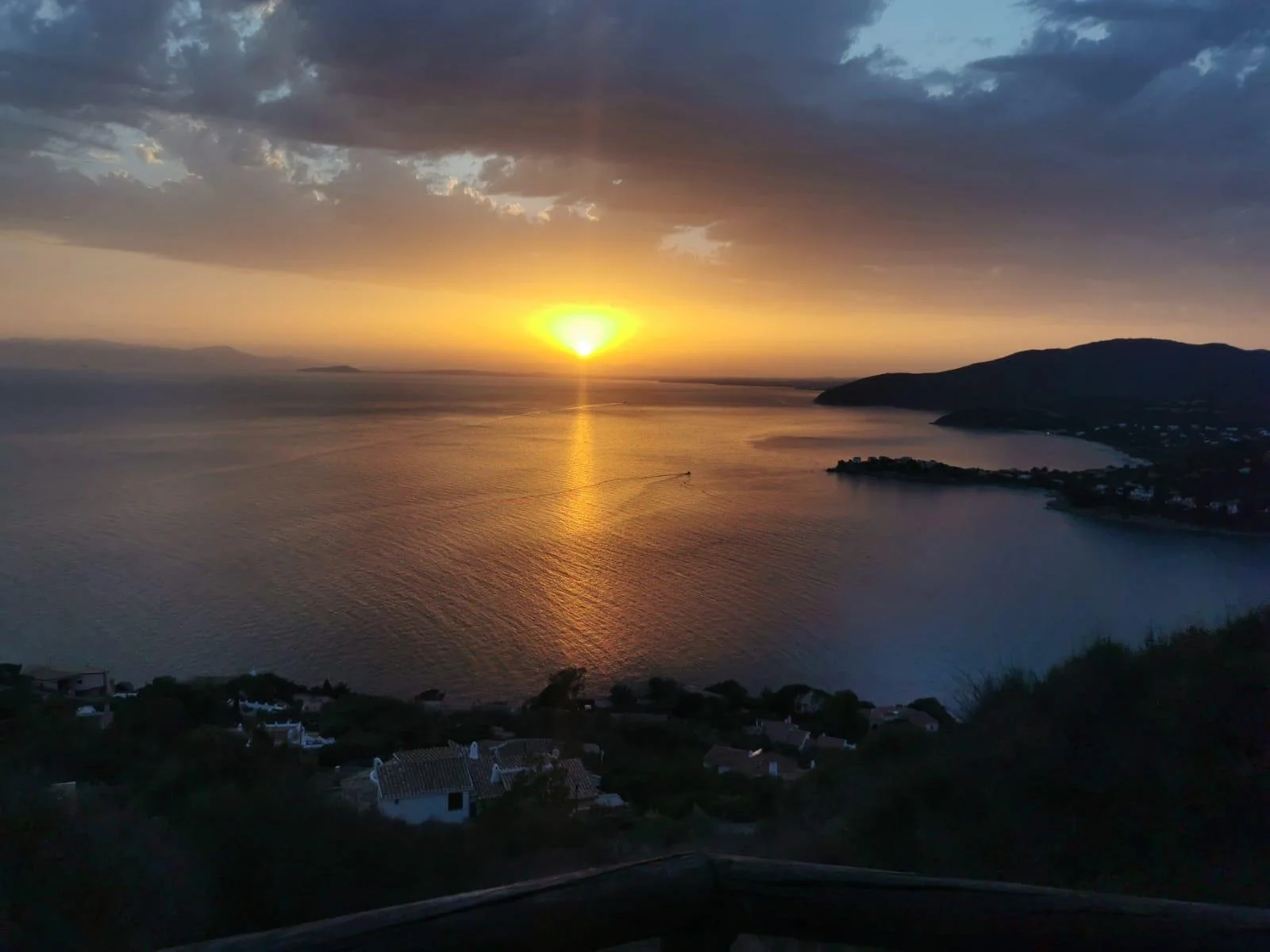
The region is actively investing in decentralization
This isn't just an organic trend—the Sardinian government and industry organizations are actively promoting it.
There is a clear call for a genuine diversification of the tourism offerings: from nature tourism and health tourism to food and wine, archaeology, and outdoor sports. The goal is to create an island that is no longer entirely dependent on two summer months, and is therefore more resilient to setbacks such as bad weather or economic fluctuations.
A concrete example of this is the regional program“So.La.Re. 2026,” which aims to convert seasonal work into stable, year-round employment in the tourism sector. Contracts signed between March and December—that is, deliberately outside the peak months of July and August—are eligible for financial support.
That sends a clear message: the region wants the sector to be able to operate outside the peak season as well, with permanent staff rather than relying solely on seasonal workers.
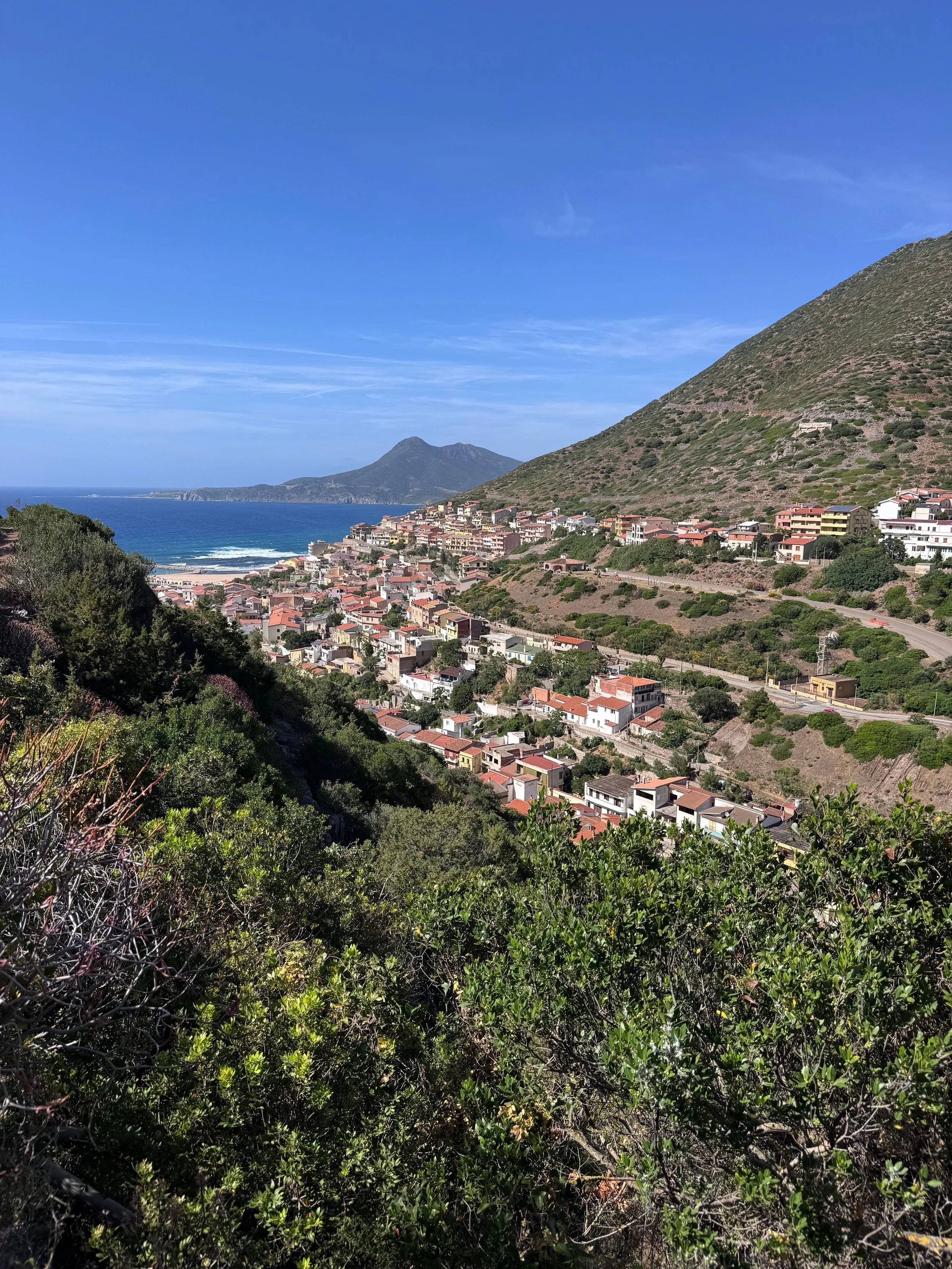
Specific Investments: Villages and Historic Cities
The region isn't just paying lip service. Two recent, separate investment programs demonstrate just how serious this change in direction is.
Turismo nei Borghi — €38 million for 15 villages In April 2026, the region signed an agreement with 15 carefully selected villages—nine of which belong to the official “I Borghi più belli d’Italia” association, while the other six hold the Bandiera Arancione, a quality certification from the Touring Club Italiano. Think of places like Bosa, Castelsardo, Gavoi, Oliena, and Aggius.
Each village will receive €2.5 million to improve its appeal, accessibility, and hospitality. The goal is twofold: to attract tourists outside the peak season and to counteract depopulation in these small communities.
Exactly the kind of authentic, small-scale destinations I love to send people to. For me, it’s precisely these kinds of places that show what makes Sardinia so special—not just because of the beautiful streets or historic buildings, but above all because of the people who live there, the small family-run businesses, and the relaxed pace of life. Those are often the destinations that visitors are most enthusiastic about afterward.
Sette Città Initiative — €30 million for historic cities Two months later, in June 2026, a second investment followed: €30 million for seven historic cities — Alghero, Bosa, Cagliari, Castelsardo, Iglesias, Oristano, and Sassari.
During the Catalan-Aragonese rule (14th–18th centuries), these cities held the special status of “Città Regia,” which exempted them from the feudal system and resulted in a unique concentration of art, architecture, and heritage. Approximately €3.9 million per city will go toward the restoration of historic centers—castles, city walls, historic palaces—as well as a unified brand and signage for the entire route.
Together, these two programs represent an investment of nearly €70 million in exactly the kind of Sardinia that goes beyond the beach: small villages with character and towns with a rich, often overlooked history.
What This Means for Your Trip
For those who prefer to avoid the crowds, this is good news.
Spring (April–June) and fall (September–October) are becoming increasingly appealing: the weather is still pleasant, nature is either in full bloom or taking on its autumnal colors, and you get to share the most beautiful spots with significantly fewer people. What’s more, there’s a growing range of experiences that are best enjoyed outside the high season—hiking in Barbagia, wine tastings in the interior, or a leisurely bike ride along the coast without the summer heat.
There are also some practical changes: more accommodations and restaurants are staying open year-round, rather than closing their doors as soon as September rolls around. That means more choices and a more authentic experience, because you’ll meet not only other travelers but also more locals who aren’t completely caught up in the summer rush.
I’m often asked whether September is still warm enough for a beach vacation. In reality, the sea is often still wonderfully warm from the summer, while the temperatures are more pleasant and the crowds have thinned out. For many travelers, that’s an ideal combination.
My insider tip
If you have the option to plan your trip outside of July and August, do so.
Not only will you save on flights and accommodations, but you’ll also get a more authentic glimpse into how Sardinians actually live—without the summer tourist crowds that temporarily flood the island. This is exactly the kind of trip I love helping people plan: authentic, peaceful, and without compromising on beautiful destinations.
Since I live in Sardinia myself, I love helping travelers discover not only the well-known highlights, but also the places where you can experience the island’s authentic charm. Whether you’re traveling with children, as a couple, or simply want to enjoy some peace and nature outside of peak season, I’d be happy to work with you to plan a trip that’s truly right for you.